Views: 0 Author: Site Editor Publish Time: 2026-10-01 Origin: Site


Knowing how to clean conveyor belt surfaces protects your workers, product quality, and how long your equipment lasts. Clean conveyor belts on a schedule to reduce slip hazards on every belt conveyor. Lockout/tagout compliance prevents 85% of conveyor maintenance hand injuries, so stop the line and clear debris first. Proper cleaning also supports hygiene. Hygiene affects sanitation time, uptime, water and chemical usage, product quality, and equipment longevity. Treat conveyor belt cleaning as planned maintenance. The conveyor belt definition is simple: the belt is the surface that touches your product. Good habits delay conveyor belt replacement. Check your conveyor belt size chart before you order parts. Every belt conveyor needs a safe, effective process like this.
Always lock out the power and release stored energy before you clean, so no one gets hurt.
Clean the belt surface in steps: sweep it, scrape it, scrub it, rinse it, and dry it completely.
Pick dry, wet, or chemical cleaning based on the residue and the belt material.
Make a regular cleaning schedule and train your team so the results are safe and the same every time.
Good cleaning keeps workers safe, helps equipment last longer, and keeps product quality high.
Safety first means you control every energy source before anyone touches the belt. Start your pre-cleaning preparations by telling every worker who could be affected. Then shut down the conveyor completely and wait for all rollers to coast to a stop. Lock out the power source at the main disconnect, close and lock the pneumatic supply valve, and release the belt tensioner spring. Vent stored air from pneumatic actuators and lower elevated sections onto blocking. Verify the zero-energy state: try a normal start and test for voltage at the motor terminals with a multimeter. Each worker applies a personal lock and tag, and only that person removes it. For group work, use a lockout hasp so the system stays locked until every lock is gone. This routine prevents accidental startup and protects every hand near the belt conveyor. Document your training and follow the equipment manual for specific steps.
Gather your cleaning tools before you begin. The essential tools for conveyor belt cleaning include a soft-bristle brush, a microfiber cloth, a mild cleaning detergent, a bucket of warm water, a wash box, a scraper, and air blasting equipment such as nozzles or blowers. Keep each item within reach so you do not leave the belt conveyor mid-task. A wash box captures runoff and keeps the floor dry. Air blasting clears loose debris from tight spots, and you should wear eye protection when you use it. Manual cleaning with belt scrapers and brushes suits non-sticky residues well. This approach takes labor and time, so plan your schedule around it. Match your tool choice to the residue and the belt type. Uliflex PVC and PU belts are FDA-compliant food quality types, resistant to abrasion, oils, fats, and chemicals, so mild detergents are appropriate.
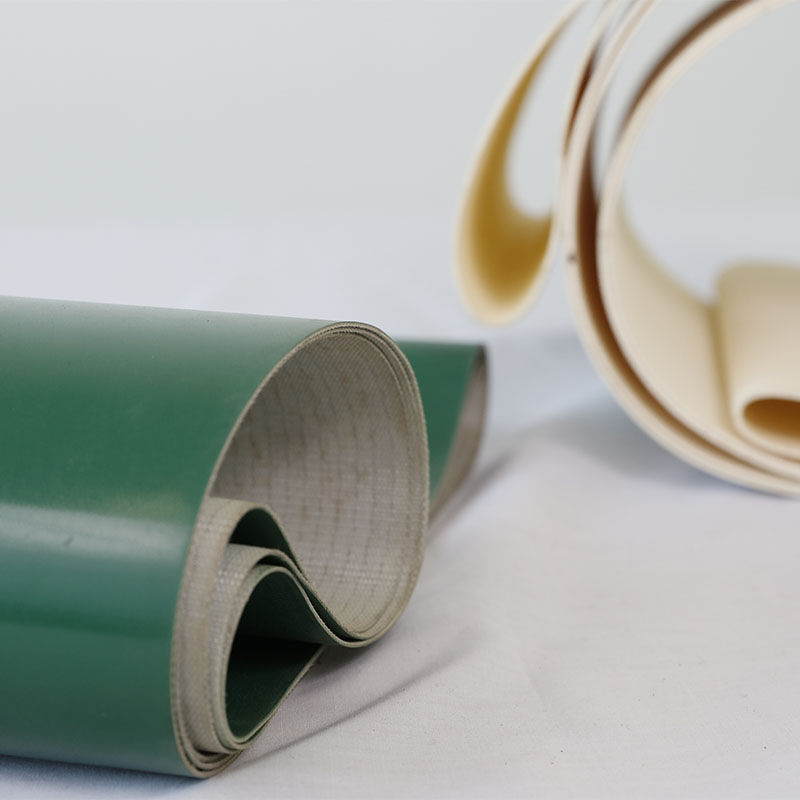
Use the same order every time you clean a belt conveyor. This step-by-step process keeps results the same and protects the belt. For food-grade belts, go through these stages in order:
Sweep and brush away loose dirt, debris, and residues, including carryback that builds up near the discharge end.
Scrape sticky foods with a belt scraper. Use a plastic scraper, never a wire brush or metal tool that can scratch the surface.
Scrub stains with a soft-bristle brush and mild detergent. Focus on areas with heavier buildup.
Rinse the belt well with clean water. Leftover cleaner can contaminate product later.
Wipe the surface with a microfiber cloth, then vacuum any remaining particles.
Work along the whole surface of the conveyor belt, not just the center strip. Check the belt for wear or damage as you go. Let the belt dry completely before you turn the power back on. A wet belt invites slips and attracts fresh dirt. Daily cleaning matters here: a sticky or dirty support bed raises friction, which increases belt tension and wear over time. Uliflex PVC and PU belts are FDA-compliant food quality types, resistant to abrasion, oils, fats, and chemicals, so mild detergents are appropriate. That material tolerance makes routine cleaning and disinfecting food-grade conveyor systems simpler and safer for the belt itself.
Treat cleaning the rollers and idlers as a separate task from cleaning the belt. Material buildup on rollers and pulleys creates uneven contact surfaces. Those uneven surfaces disturb belt tracking and cause mistracking. Remove visible debris from each roller with a brush or air compressor. Wipe the surface and ends with soapy water and a microfiber cloth. Check every roller for wear, misalignment, or damage.
Clean frames and supports next. Remove large debris first, then wipe with soapy water. Tighten loose bolts and treat rust with a remover and a preventive coating. Keep guards and the surrounding floor area clear too. Regular cleaning makes inspections easier and stops small problems from going unnoticed. This habit supports proper tracking and reduces component wear across the whole belt conveyor.
The type of residue and the belt material decide which of the conveyor belt cleaning methods works best. Dry methods work well for loose, dry debris. Manual scraping and brushing lift caked material from the surface, and belt scrapers handle sticky carryback at the discharge point. Air blasting clears dust and crumbs from rollers and tight corners. Dry cleaning uses little water and lets you restart the line quickly. It suits packaging lines, dry goods, and belts that cannot get wet.
Wet wash-down fits food lines with fats, oils, and sticky soils. Warm water and mild detergent loosen residue, and a wash box captures the runoff. High-pressure water cleaning reaches buildup in frames and rollers, but you must aim the spray carefully to avoid driving water into bearings. Wet cleaning gives a deeper result and supports sanitation goals.
Chemical cleaning adds power for stubborn films and microbial control. Choose an agent that matches both the belt material and the product being conveyed, since fats, oils, starch, and protein each respond to different chemistry. Follow this sequence:
Confirm the detergent or sanitation agent with your supplier and check it against the belt type.
Use the proper concentration, and consider automated water-and-detergent mixing to cut labor.
Validate sanitation by testing and documenting that the method removes residues and bacteria.
Watch for warning signs of incompatibility: chalking, cracking, pitting, delamination, blistering, discoloration, swelling, and embrittlement.
Chemical mistakes carry real costs. A meat processing company found cracks on its acetal belts after a crew used phosphoric acid on them. Incompatible chemicals or concentrations can cause foreign material contamination, scrapped product, unscheduled downtime, and recalls. Use the lowest effective concentration, and remember that raising cleaning temperature by every 10°C roughly doubles chemical effect. Keep sanitation standard operating procedures current and tell third-party crews which chemicals and concentrations they may use.
Match the method to the belt itself. Uliflex PU belts offer high wear and abrasion resistance and good flexing endurance, so they handle frequent scrubbing and washdowns. Uliflex PVC belts suit a range of strengths and cover styles, which lets you pair the belt with your line conditions. Review this table before you pick a chemical:
Belt Material | Cleaning and Chemical Resistance |
|---|---|
Polyurethane (PU) | Smooth surface, excellent resistance to oils and fats, easy to clean; suited to meat, poultry, dairy, and baked goods |
PVC | Very resistant to moisture and generally easy to maintain |
Modular Plastic | Interlocking sections, quick repairs, excellent drainage for frequent washdowns |
Fabric-Reinforced | Added strength; material choice is critical for sanitation and wear |
Whatever route you take, learn how to clean conveyor belt surfaces without harming them. Sound conveyor belt cleaning pairs the right method with the right material, and that pairing protects the whole belt conveyor.
Follow three rules for every belt conveyor: clean it, inspect it, and tension it. Each rule has its own timing. Daily cleaning removes buildup on return rolls and pulleys, which is a leading cause of intermittent drift. Weekly checks cover tracking, tension, and wear. Monthly and quarterly audits catch alignment and idler problems early. Evidence shows 73% of food conveyor failures can be found during routine inspection, and structured programs give about 4× longer average belt service life. Maintenance quality drives roughly 65% of a belt's service life, so daily habits matter more than premium materials alone.
Principle | Frequency | Example actions |
|---|---|---|
Clean it | Daily | Check for mistracking, slippage, noise, and product buildup |
Inspect it | Weekly to quarterly | Check hinge rods, fasteners, sprockets, bearings, and belt edges |
Tension it | Weekly as required | Check tension, adjust tracking, measure elongation |
These best practices for effective conveyor belt cleaning start with a plan. Build a regular cleaning schedule around your belt conveyor. Food and washdown lines need tighter intervals than light packaging lines. A solid cleaning schedule also sets the pace for proper cleaning across every shift. Cleaning your conveyor belt well starts with training. Teach correct techniques, cleaning tools, and products for each belt type. A one-day session works only as a refresher; plan at least a 2-day course with classroom and hands-on learning. Cover mistracking, carryback, spillage, lockout/tagout, and belt scrapers.
Store spare belts upright in the factory package, in a cool, dry place away from sunlight. Keep temperatures between 18 and 40°C and humidity between 50% and 80%. Rotate long-stored rolls every two months.
Finish with post - cleaning checks. Record pass/fail results, measurements, and photos in a CMMS. Review trends, close work orders, and update your schedule. Learn how to clean conveyor belt edges and splices during each check. Good documentation turns conveyor belt cleaning into real conveyor belt maintenance and supports audits. Clean conveyor belts stay reliable when you track every result.
Regular conveyor belt cleaning pays you back in three ways. You protect your workers from slip hazards. You extend the life of your equipment. You keep product quality consistent. A structured approach drives these results. Start with preparation, move through each cleaning step, and finish with post-cleaning checks.
Now you know how to clean conveyor belt surfaces the right way. Set a maintenance schedule and stick to it. Train your team on safe, repeatable methods. Consult a professional, such as Uliflex, for belt-specific guidance. Their team can match the right belt and cleaning method to your line. Good conveyor belt maintenance keeps your belt conveyor running reliably for years.
Clean daily on food and washdown lines. Check tracking, tension, and wear every week. Do deeper audits each month and quarter. Daily habits matter most, because maintenance quality drives about 65% of a belt's service life.
Yes, when the chemistry does not match the belt. Watch for chalking, cracking, pitting, delamination, blistering, discoloration, swelling, and embrittlement. Use the lowest effective concentration, and confirm each agent with your supplier. Raising cleaning temperature by every 10°C roughly doubles chemical effect.
Use dry methods during short stops. Manual scraping, brushing, and air blasting clear loose debris and carryback quickly. Save wet washdown and chemical cleaning for planned shutdowns. Always follow lockout/tagout before anyone reaches the belt.
Wipe the surface with a microfiber cloth, then vacuum any remaining particles. Let the belt dry completely before you restore power. A wet belt invites slips and attracts fresh dirt. Record the pass/fail result in your maintenance system.