Views: 0 Author: Site Editor Publish Time: 2025-06-03 Origin: Site


A timing belt is one of the most critical components in any internal combustion engine or industrial machine. It ensures that the engine’s camshaft and crankshaft are synchronized, allowing valves and pistons to operate at the correct times. When a timing belt fails, it can lead to serious damage or complete system failure.
So, how do you know if a timing belt needs replacing? In this guide, we’ll walk you through all the key timing belt symptoms, replacement intervals, preventive maintenance tips, and the best products available — including industry-grade options from Uliflex, a global leader in industrial belt solutions.
A timing belt is a high-strength rubber or polyurethane belt with teeth that maintain the synchronization between the engine’s camshaft and crankshaft. This coordination ensures the valves open and close at the correct times during the intake and exhaust strokes.
In industrial machinery, timing belts are also used to synchronize processes in textile, food, packaging, and glass-cutting equipment.
Without a properly functioning timing belt, your engine or machine may suffer:
Misfires or loss of power
Unexpected shutdowns
Catastrophic mechanical damage
Costly downtime or repairs
That’s why timing belt replacement is a crucial part of both automotive and industrial maintenance.
| Application Type | Average Replacement Interval |
|---|---|
| Passenger Vehicles | 60,000–100,000 miles |
| Heavy-Duty Vehicles | 100,000–120,000 miles |
| Industrial Equipment | 8,000–10,000 operating hours |
Always refer to your equipment or vehicle manual for exact recommendations.
Understanding the signs of a bad timing belt can help you avoid a breakdown. Here are the most common symptoms:
A tick-tick-tick sound coming from the front of the engine may signal a worn belt or misaligned timing belt pulley.
Poor synchronization leads to misfires and rough acceleration. This is often due to a slipping or stretched belt.
Wondering how do you know if the timing belt is broken? If your engine cranks but doesn’t start, chances are the timing belt has snapped.
An oil leak near the timing cover can degrade the belt material, leading to failure.
If you can access the belt, look for cracks, frays, missing teeth, or glazing.
| Symptom | Likely Timing Belt Problem | Other Possible Causes |
|---|---|---|
| Ticking noise | Yes | Low oil, lifters |
| Engine misfires | Yes | Spark plugs, injectors |
| Engine won’t start | Yes (broken belt) | Battery, starter |
| Rough idling or loss of power | Yes | Fuel system, air filter |
| Oil leak from timing cover | Yes | Valve cover gasket |
A snapped timing belt, especially in an interference engine, can cause pistons to collide with valves. This can result in:
Bent valves
Damaged pistons
Cracked cylinder heads
Complete engine failure
In industrial machines, a broken belt can lead to halted production and expensive repairs.
Timing belts should be replaced:
Every 60,000–100,000 miles in vehicles
Every 8,000–10,000 hours in industrial machines
Immediately upon signs of wear or belt damage
Don’t wait for failure — act preventively.
A complete timing belt kit often includes:
The timing belt itself
Timing belt tensioner
Timing belt pulley or idler
Water pump (optional)
Gaskets and bolts
Replacing the full kit ensures long-lasting performance and avoids mismatched wear.
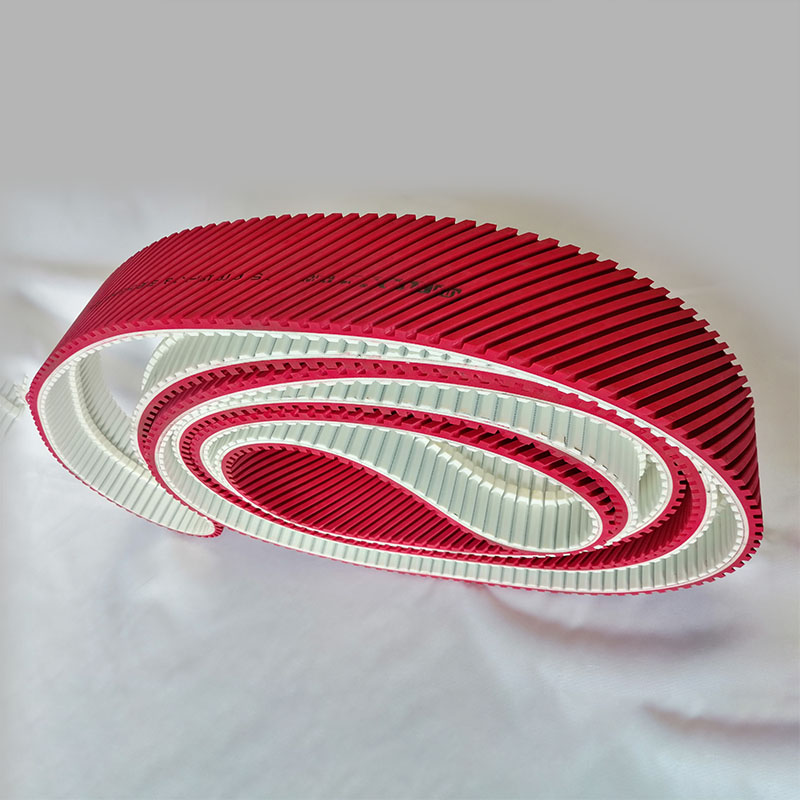
The timing belt tensioner keeps the belt tight and aligned. If the tensioner fails:
The belt can slip
Engine timing becomes erratic
Wear accelerates, even on a new belt
Always inspect or replace the tensioner during belt replacement.
Uliflex specializes in high-performance polyurethane and rubber timing belts designed for demanding industrial environments.
Textile Machine Timing Belt
Glass Machine Timing Belt
Sausage Machine Timing Belt
Elevator & Packaging Equipment
These belts are made with advanced materials and precision-molded teeth for maximum durability.
Seamless polyurethane belts
Custom profiles and lengths
Anti-slip, low-noise operation
Resistant to oil, temperature, and abrasion
Uliflex also offers custom timing belt kits and OEM/ODM services.
| Feature | Rubber Belts | Polyurethane Belts |
|---|---|---|
| Durability | Moderate | High |
| Temperature Resistance | Fair | Excellent |
| Noise Reduction | Good | Excellent |
| Chemical Resistance | Low | High |
| Cost | Lower | Higher (but longer life) |
For industrial machines, polyurethane belts are the recommended choice—especially for precision-driven systems.
Locate the timing belt cover.
Remove the cover carefully.
Examine for cracks, frays, or missing teeth.
Check for slack in the belt (a sign of worn timing belt tensioner).
Listen for unusual engine noises.
⚠️ If unsure, consult a professional or Uliflex technician.
To maximize timing belt longevity:
Replace the full timing belt kit (not just the belt)
Avoid oil leaks and overheating
Choose quality belts (like Uliflex polyurethane belts)
Stick to scheduled maintenance
Improper installation
Low-quality materials
Oil or coolant leaks
Over-tensioning or under-tensioning
High-speed or high-load operation
Uliflex offers timing belts tailored for specific machinery:
Textile machines: Require high-speed, low-noise operation
Glass cutters: Need precise motion control
Sausage machines: Demand food-grade materials
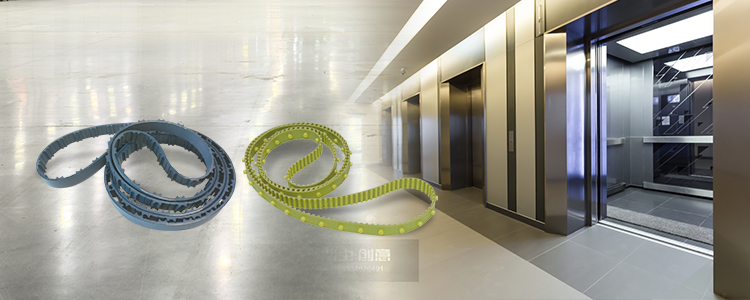
Elevators: Require long belt life with minimal stretch
Choosing the right belt for your application ensures smoother operations and longer equipment life.
Q1: What are the signs of a bad timing belt?
A1: Ticking sounds, engine misfires, rough idle, oil leaks, and visual cracks or missing teeth are all signs you need a new belt.
Q2: How do you know if the timing belt is broken?
A2: If your engine cranks but doesn’t start, or shuts off suddenly while driving, it’s likely that the timing belt has snapped.
Q3: What does a timing belt kit include?
A3: A timing belt kit typically contains the belt, tensioner, pulleys, and sometimes a water pump and gaskets.
Q4: How often should you replace a timing belt in industrial machines?
A4: Every 8,000–10,000 operating hours, depending on load and environment.
Q5: Why is the timing belt tensioner important?
A5: It maintains proper tension to prevent slippage. A faulty tensioner can cause premature belt failure.
Q6: Can I replace the timing belt myself?
A6: DIY is possible for experienced users, but professional installation is recommended due to the complexity of timing alignment.
Q7: What makes Uliflex timing belts different?
A7: Uliflex offers patented, high-precision polyurethane belts for industrial settings with customization, durability, and global support.
A timing belt might be out of sight, but it should never be out of mind. Whether you’re running a car or a manufacturing line, timely replacement of your belt can save you from breakdowns, downtime, and massive repair costs.
Uliflex offers industry-leading solutions that combine engineering excellence with customization and fast global delivery. With their wide selection of timing belts, timing belt kits, and tensioners, you’ll find the ideal solution no matter your industry.