Views: 0 Author: Site Editor Publish Time: 2025-12-05 Origin: Site


The timing belt is a crucial component of your vehicle's engine, ensuring that the crankshaft and camshaft operate in perfect synchronization. Over time, the timing belt can wear out, leading to potential engine damage if not replaced in a timely manner. Understanding the cost of timing belt replacement is essential for budgeting and maintaining your vehicle's performance. In this article, we will explore the average cost of timing belt replacement, factors that influence the cost, and when it is recommended to replace your timing belt.
The cost of replacing a timing belt can vary depending on several factors, but on average, you can expect to pay between $300 and $500 for the replacement. This cost includes both the parts and labor involved in the process. For some vehicles, especially those with larger engines or more complex designs, the cost can be higher, ranging up to $700 or more. It is important to note that these are average estimates, and the actual cost may vary based on your vehicle's make and model, as well as the labor rates in your area.
Several factors can influence the cost of timing belt replacement, including: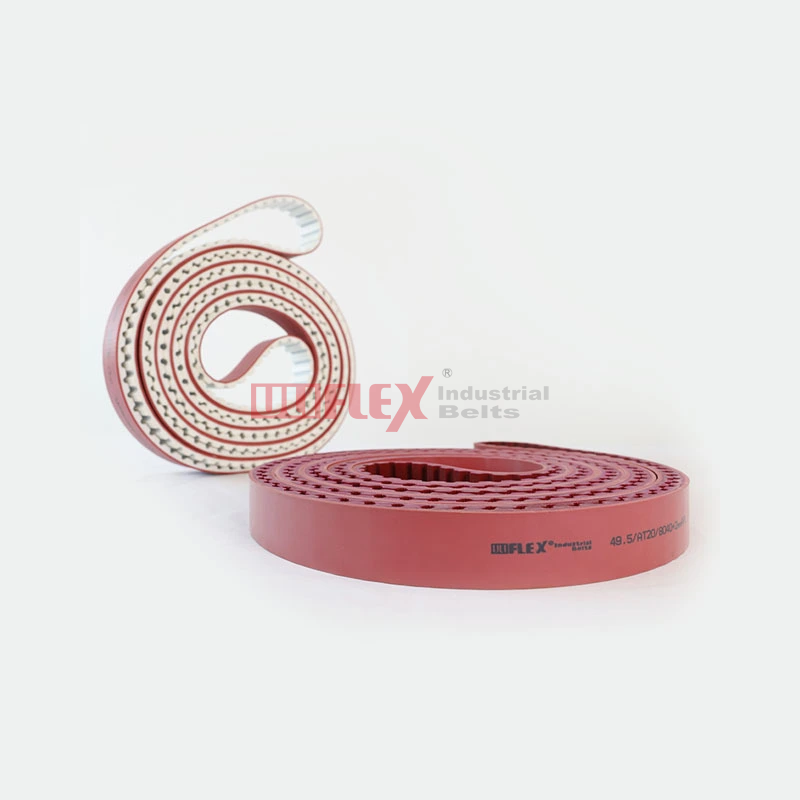
The make and model of your vehicle play a significant role in determining the cost of timing belt replacement. Some vehicles have more accessible timing belts, making the replacement process quicker and less labor-intensive. Others, particularly those with larger or more complex engines, may require more time and effort to replace the timing belt, leading to higher labor costs.
Labor costs are a significant portion of the total cost of timing belt replacement. The process involves removing several components to access the timing belt, which can be time-consuming. On average, labor costs for timing belt replacement range from $250 to $450. The labor rate can vary depending on the location and the expertise of the mechanic.
The cost of the timing belt itself is relatively low, typically ranging from $25 to $89.99. However, it is often recommended to replace other components, such as the water pump and tensioner, at the same time. These additional parts can add to the overall cost of the replacement.
In some cases, other components, such as the water pump or serpentine belt, may need to be replaced at the same time as the timing belt. These additional repairs can increase the overall cost of the service.
Most manufacturers recommend replacing the timing belt every 60,000 to 100,000 miles. However, it is important to check your vehicle's owner's manual for specific recommendations. Driving with a worn timing belt can lead to severe engine damage, which can be much more costly to repair than the timing belt replacement itself.
It is important to be aware of the signs that your timing belt may be failing. Common symptoms include:
- Check Engine Light: The check engine light may come on due to issues with the timing belt.
- Mileage: If your vehicle has reached the recommended mileage for timing belt replacement, it is time to consider a replacement.
- Visual Inspection: If the timing belt appears damaged or worn during an inspection, it should be replaced.
Replacing a timing belt is an essential maintenance task that should not be overlooked. The average cost of timing belt replacement ranges from $300 to $500, but this can vary based on your vehicle's make and model, labor costs, and additional repairs. By understanding the factors that influence the cost and being aware of the symptoms of a failing timing belt, you can ensure that your vehicle remains in good working condition and avoid more costly repairs down the road.