Views: 0 Author: Site Editor Publish Time: 2026-07-31 Origin: Site


Replacing or specifying an elevator traction component is a high-stakes engineering decision. Downtime, strict compliance codes, and passenger safety directly intersect during this process. You must approach this selection process carefully and apply absolute precision. Selecting the wrong belt width, core configuration, or jacket material creates cascading mechanical issues. It leads directly to accelerated sheave wear and improper friction coefficients. Ultimately, these missteps cause premature system failure and unplanned maintenance events.
This guide provides a comprehensive technical evaluation framework. Procurement managers and structural engineers can safely assess width variations like 30mm versus 60mm options. We will explore core breaking strengths and specific polyurethane jacket formulations in detail. You will learn how to verify exact OEM compatibility efficiently. By following these guidelines, you guarantee long-term operational reliability for your modern vertical transport systems.
Width dictates footprint and load: Choosing between a 30mm and 60mm belt depends heavily on Machine Room-Less (MRL) spatial constraints and the required payload capacity.
Core configuration determines fatigue life: The number of embedded steel cords directly impacts both the minimum breaking load (e.g., 64kN) and the belt's bending fatigue resistance over the traction sheave.
Coating chemistry drives performance: A high-quality PU (polyurethane) jacket manages the critical friction interface, with specific surface finishes (e.g., glossy) engineered to reduce operational noise and vibration.
Exact OEM matching is non-negotiable: Retrofitting or replacing belts on proprietary systems (like Otis) requires strict adherence to original tension and dimension tolerances to maintain safety certifications.
Modern Machine Room-Less (MRL) systems revolutionized vertical transport architectures globally. They demand highly efficient components to function safely. Engineers systematically replaced traditional round wire ropes for several vital structural reasons. A modern elevator flat belt achieves a significantly smaller bend radius than older steel cables. This critical innovation entirely eliminates destructive metal-to-metal sheave wear. It also allows engineers to install much more compact drive motors directly inside the hoistway shaft.
Let us analyze the distinct anatomy of a coated steel belt thoroughly. You must evaluate three critical components during any procurement cycle. First, the high-tensile steel wire core provides the primary load-bearing capacity. Second, the polyurethane encasement actively manages friction and protects the inner core. Third, the specific geometric dimensions dictate complete system compatibility.
Buyers face a strict decision lens here. You cannot evaluate these components purely on theoretical lifespan estimates. You must verify their exact compatibility against existing traction sheaves. System load calculations demand precise matching at every stage. A minor deviation in thickness alters the traction profile entirely. Such deviations force the system to consume more energy and degrade faster.
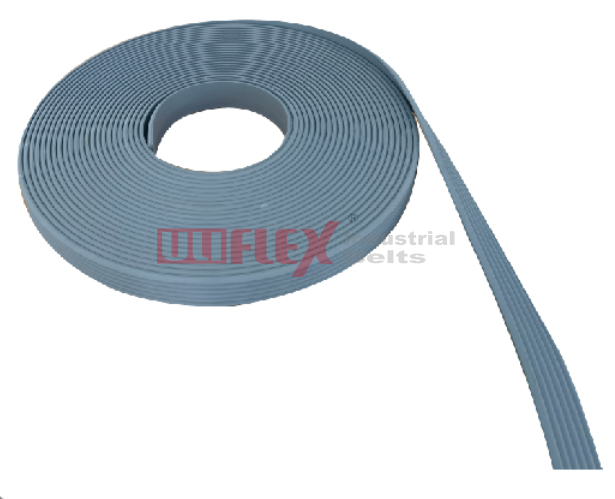
System load and sheave width strictly dictate your dimension choices. You must align the component footprint directly to the machine's mechanical capabilities. Let us break down the core application requirements you will encounter.
A 30mm elevator belt excels in specific spatial environments. It serves standard residential or low-capacity commercial MRL elevators perfectly. The primary advantage is extreme operational flexibility. This flexibility enables engineers to use highly compact drive motors. However, physical constraints do exist. These narrower units feature a lower maximum breaking strength. You will often need a multi-belt array to satisfy strict safety factors.
Conversely, a 60mm elevator belt handles demanding, high-stress environments. It dominates high-capacity, heavy-duty, or high-traffic commercial installations. The pros are substantial for large buildings. Each unit manages significantly higher payloads efficiently. This massive capacity reduces the total number of individual belts required in the hoistway array. The constraints primarily involve spatial precision. You need wider sheaves to accommodate them. Installation crews must maintain stricter alignment tolerances to prevent dangerous edge wear.
Belt Type | Flexibility Score | Load Capacity Score |
|---|---|---|
30mm (Typical 10-Core) | High (90/100) | Moderate (50/100) |
60mm (Typical 24-Core) | Moderate (60/100) | High (95/100) |
Continuous steel cords act as the true structural backbone. They serve as the primary load-bearing element inside the elevator traction steel belt. The exterior jacket simply transfers the friction. The interior steel does the heavy lifting.
Cord density directly influences mechanical flexibility over time. We must contrast standard cord counts carefully. A 12-wire core behaves entirely differently than a 24-wire core. Integrating more, finer wires actively increases flexibility. This specific engineering choice improves bending fatigue resistance over exceptionally small pulleys. When the cords bend thousands of times daily, fatigue resistance prevents internal snapping.
You must evaluate the Minimum Breaking Load rigorously. Always verify the nominal breaking strength against your specific safety factor requirements. Traction systems usually mandate a 10:1 or 12:1 safety ratio to protect passengers. For instance, a 64kN breaking strength offers massive overhead for standard commercial cabins. You cannot compromise on these margins.
We strongly advise thorough verification protocols. Ask your manufacturer for independent lab test data. You need documented proof of tensile strength and stretch coefficients. Mid-lifecycle elongation causes severe leveling issues at floor landings. Test data prevents these failures before installation begins. Do not accept theoretical numbers.
Why does the industry rely heavily on specific polyurethane formulations? A high-quality PU elevator traction belt delivers absolutely unmatched performance. The material provides exceptionally high wear resistance against the metal sheave. It maintains excellent mechanical grip under heavy dynamic loads.
Furthermore, it completely protects the inner steel core from moisture and oxidation. Rust is the enemy of tensile strength. Polyurethane creates an impenetrable barrier against environmental moisture.
Surface finishes alter operational dynamics significantly. You must choose between glossy and matte treatments carefully. These treatments directly impact the friction coefficient against the drive sheave. A glossy finish offers distinct operational benefits. It reduces environmental dust accumulation significantly over the component's lifespan. Engineers utilize glossy surfaces to achieve highly specific traction profiles. This finish also excels at noise dampening during high-speed runs.
Inferior coatings present severe degradation risks. Watch out for spontaneous delamination between the steel and the polymer. Temperature fluctuations often cause cheap PU jackets to harden prematurely. Prolonged UV exposure during warehouse storage degrades the polymer chains rapidly. Always inspect new stock for these specific vulnerabilities before deployment.
Storing extra inventory in direct sunlight or near ozone-producing machinery.
Applying chemical lubricants to the polyurethane surface.
Ignoring micro-cracks during routine visual inspections.
Matching proprietary systems presents unique engineering challenges. Sourcing aftermarket components for major brands like Otis requires immense diligence. You cannot guess dimensions or assume cross-compatibility.
Tolerance matching remains an absolute necessity. The replacement unit must feature identical thickness and width. If the original used a ribbed profile, groove alignment must match perfectly. Even a millimeter of deviation causes catastrophic sheave damage over time. The sheave will chew through the polyurethane jacket rapidly if misaligned.
Compliance and certification protect your liability and ensure safety. Ensure your shortlisted supplier provides fully certified documents. The components must comply with stringent local elevator safety codes. Look for EN 81-20/50 and ASME A17.1 certifications as mandatory baseline requirements. Uncertified components introduce unacceptable risk.
Apply strict shortlisting logic during procurement. Recommend suppliers who provide clear material traceability from the factory floor. They should supply comprehensive batch testing reports upon request. Exact cross-reference part numbers eliminate integration guesswork entirely.
Installation risks exist even with premium components. The best engineered material will fail rapidly if improperly installed. Equal tensioning across the entire array is absolutely critical. Uneven tension forces one unit to carry disproportionate loads. This mechanical imbalance triggers premature degradation and snapping.
Maintenance crews need strict visual inspection baselines. They must monitor the system closely post-installation. We recommend checking the following elements during every scheduled visit:
Look for any exposed wire cords breaching the polyurethane jacket.
Check for micro-cracking along the entire surface, especially near the termination points.
Monitor the elevator pit for abnormal sheave dust accumulation.
Listen for unusual squeaking or rubbing noises during acceleration.
Tension monitoring requires modern tools. We recommend using digital tension meters exclusively. Manual deflection tests lack the necessary precision for modern MRL systems. Digital tools ensure the system operates firmly within precise engineering parameters. Precise tensioning extends the lifespan of both the sheave and the traction components.
Specification Metric | Engineering Standard | Primary Purpose |
|---|---|---|
Width Tolerance | ± 0.5mm | Ensures exact fit inside sheave grooves. |
Tensile Strength | > 64kN (Dependent on core) | Maintains required 10:1 safety factor. |
Hardness (Shore A) | 85A - 95A | Balances friction grip and wear resistance. |
Choosing the right replacement component requires balancing spatial constraints, load demands, and traction requirements. You must map your system's exact physical footprint to the correct width. You must verify the internal steel core configuration supports your payload demands. Finally, you must confirm the polyurethane coating meets strict friction and durability standards.
Procurement teams and engineers should take immediate action based on these principles. First, audit your current sheave conditions to identify existing wear patterns. Second, calculate and verify your required breaking strengths against local safety codes. Finally, demand comprehensive technical data sheets and compliance certificates from your potential suppliers before authorizing any installation.
A: The typical lifecycle spans 10 to 15 years. However, engineers usually measure lifespan in total trip counts or bending cycles. Assuming proper tensioning, correct sheave alignment, and a controlled environment, these units easily surpass tens of millions of bends. Extreme temperature fluctuations or high humidity can shorten this lifespan.
A: You must always replace the entire set simultaneously. Replacing a single unit creates severe tension imbalances. The new material stretches differently than the older, fatigued materials. This mismatch forces uneven load distribution. The newer unit will carry excessive weight, leading to rapid wear or catastrophic snapping.
A: You will notice distinct operational anomalies. The elevator cabin may struggle with precise floor leveling. You might detect microscopic slipping during initial acceleration or sudden deceleration. Visually, the polyurethane jacket often develops a hard, glazed appearance. Excessive black dust accumulating in the pit also indicates abnormal friction loss.
A: Not necessarily. Breaking strength depends primarily on the internal wire count and the steel gauge, not just the physical width of the PU jacket. While a wider footprint allows manufacturers to embed more steel cords, you must check the specific Minimum Breaking Load (MBL) rating provided by the manufacturer.