Views: 0 Author: Site Editor Publish Time: 2026-09-14 Origin: Site


Elevator Traction Belts are a crucial component in modern elevator systems, offering enhanced performance, greater efficiency, and increased reliability. They are quickly becoming the preferred option over traditional wire ropes due to their unique benefits, such as quieter operation, reduced maintenance requirements, and more space-efficient design. In this article, we will explore what an Elevator Traction Belt is, how it works, its applications, and why it is widely used in today's building designs.
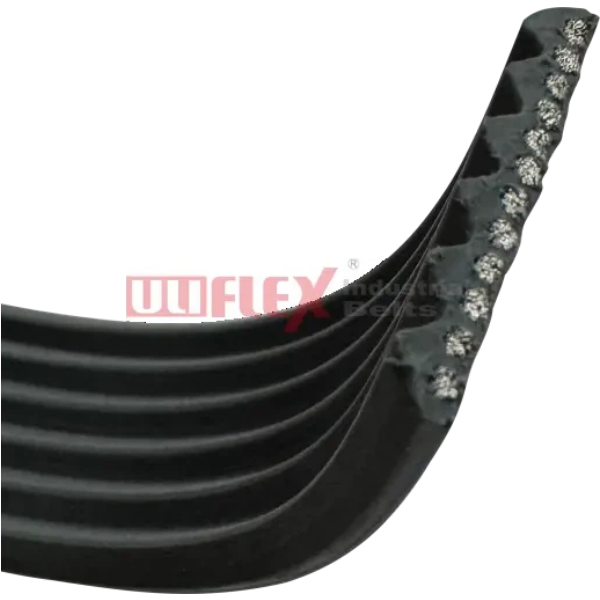
An Elevator Traction Belt is a flat mechanical transmission belt that consists of steel cords encased in a polyurethane (PU) coating. This design ensures the belt’s ability to handle the heavy demands placed on it, such as lifting an elevator car efficiently and safely. The steel cords give the belt its strength, while the polyurethane coating provides durability and reduces friction, making it smoother and longer-lasting compared to traditional wire ropes.
What sets Elevator Traction Belts apart from wire ropes is their unique flat design. Unlike wire ropes, which are round and have a higher profile, Elevator Traction Belts have a sleek, low-profile shape, which makes them more compact. This compact design allows for easier installation, especially in confined spaces, and also minimizes the overall space required for elevator systems. The Elevator Traction Belt also benefits from encapsulated steel cords that protect the inner components, ensuring longer life and reduced maintenance needs.
The function of the Elevator Traction Belt in an elevator system is to transmit mechanical power from the motor to the elevator car, allowing it to travel smoothly up and down the shaft. The belt works in conjunction with the drive sheave to generate the necessary traction to move the elevator car while maintaining efficiency and performance.
Elevator Traction Belts are used in a variety of elevator types, from residential buildings to commercial skyscrapers. These belts are highly versatile and can be adapted to suit different building requirements, load capacities, and elevator designs.
One of the most significant applications of Elevator Traction Belts is in machine-room-less (MRL) elevator systems. These systems eliminate the need for a separate machine room at the top of the elevator shaft, saving valuable space in the building. By using Elevator Traction Belts, MRL systems can operate efficiently in confined spaces without compromising on performance. The reduced need for mechanical space makes them an excellent choice for high-rise buildings where space optimization is crucial.
In residential applications, Elevator Traction Belts are favored for their quiet operation and smooth ride. Homeowners appreciate the benefits of these belts as they reduce the vibrations and noise commonly associated with traditional wire ropes. The belts also offer a space-saving advantage, as they can fit into smaller shafts without sacrificing elevator performance.
For commercial applications, such as in office buildings, hotels, and malls, Elevator Traction Belts are used in both low- and medium-rise buildings. These elevators often require the ability to support heavy loads and fast travel speeds, and Elevator Traction Belts are well-suited to meet these needs. The belts also provide better energy efficiency, which is especially important in commercial buildings with high traffic demands.
When comparing Elevator Traction Belts to traditional wire ropes, several key differences come into play. These differences impact the performance, longevity, and cost-effectiveness of the elevator system. Below is a functional comparison that outlines the primary advantages of Elevator Traction Belts over wire ropes:
Feature | Elevator Traction Belt | Traditional Wire Rope |
Material | Steel cords + PU coating | Steel cable |
Lifespan | Long (up to 15 years) | Moderate (requires more maintenance) |
Noise | Low | Moderate (noisy operation) |
Space Requirement | Compact | Larger space needed |
Lubrication | Minimal | Required lubrication |
As seen in the table above, Elevator Traction Belts have several distinct advantages over traditional wire ropes. First, they have a significantly longer lifespan, lasting up to 15 years, while wire ropes may require more frequent replacements and maintenance. Elevator Traction Belts also operate much more quietly than wire ropes, which can cause vibrations and noise during operation. This makes Elevator Traction Belts particularly useful in environments that prioritize a quiet and comfortable ride, such as residential buildings and hotels.
Another key advantage of Elevator Traction Belts is their space-saving design. These belts are much more compact than traditional wire ropes, which require larger sheaves and more space for installation. The compact design of Elevator Traction Belts is especially valuable in high-rise buildings where space is limited.
Furthermore, Elevator Traction Belts require minimal lubrication, reducing the need for regular maintenance and lowering the overall operational costs. In contrast, wire ropes require ongoing lubrication to maintain their performance, leading to more frequent maintenance and higher costs over time.
Elevator Traction Belts are most commonly used in mid-rise buildings, low-headroom elevators, and retrofit projects. Their compact size, coupled with their superior performance and long service life, makes them an ideal choice for these types of elevator systems.
In mid-rise buildings, which typically range from 5 to 20 stories, Elevator Traction Belts are particularly effective due to their balance of efficiency, smooth operation, and minimal space requirements. These buildings often have moderate traffic and space constraints, making Elevator Traction Belts the perfect solution for optimizing performance and minimizing installation costs.
For low-headroom elevator systems, which are typically installed in buildings with limited shaft space, Elevator Traction Belts offer a crucial advantage. The flat design of the belt allows it to fit into tight spaces while still maintaining high operational efficiency. This makes Elevator Traction Belts a popular choice for older buildings or those with small elevator shafts.
In retrofit projects, where older buildings are upgraded to accommodate modern elevator systems, Elevator Traction Belts are often the preferred option due to their ease of installation and ability to fit into existing shaft designs. Retrofitting with Elevator Traction Belts can significantly reduce downtime and lower installation costs compared to replacing older wire rope systems.
Finally, Elevator Traction Belts are also being increasingly used in green building designs, where space efficiency and energy performance are critical considerations. These belts contribute to energy savings by improving the overall efficiency of the elevator system, which is an essential feature in modern, environmentally conscious buildings.
Proper installation and maintenance are essential for ensuring the long-term performance and reliability of Elevator Traction Belts. Professional installation is crucial to ensure the belts are properly tensioned and aligned. Incorrect installation can lead to premature wear or malfunction, so it’s important to rely on experienced technicians for the setup.
While Elevator Traction Belts are low-maintenance compared to traditional wire ropes, they still require periodic inspections and adjustments. Routine maintenance includes checking the belt for signs of wear, ensuring the correct tension, and inspecting the drive sheave for any issues. These checks should be performed regularly to maximize the lifespan of the belt and prevent unexpected breakdowns.
One of the primary benefits of Elevator Traction Belts is their long service life, which can last up to 15 years or more with proper care. This extended lifespan helps to reduce the overall cost of ownership, as building owners won’t need to replace or repair the belts as frequently as they would with wire ropes. Additionally, the minimal lubrication requirements further reduce maintenance costs.
Elevator Traction Belts offer numerous advantages over traditional wire ropes, including longer lifespan, quieter operation, more compact design, and reduced maintenance requirements. These belts are perfect for modern elevator systems, providing smoother and more efficient performance while saving space and lowering operational costs.
If you are looking for a reliable and cost-effective solution for your elevator system, high-quality Elevator Traction Belts from Uliflex are an excellent choice. With their proven performance and long service life, they can meet the demands of both residential and commercial elevator systems. For more information or to discuss your specific needs, contact us today.
What are the benefits of using an Elevator Traction Belt?
Elevator Traction Belts provide a quieter, smoother, and more efficient elevator ride compared to traditional wire ropes. They also offer a longer lifespan and require less maintenance.
How long do Elevator Traction Belts last?
With proper maintenance, Elevator Traction Belts can last up to 15 years, significantly reducing the frequency of replacements and maintenance costs.
Can Elevator Traction Belts be used in all types of elevators?
Yes, Elevator Traction Belts are suitable for various elevator types, including low-rise, mid-rise, and high-rise buildings, and are ideal for machine-room-less (MRL) systems.
What is the difference between an Elevator Traction Belt and wire rope?
Elevator Traction Belts are quieter, more compact, and require less maintenance than wire ropes, making them a better option for modern elevator systems.